A ramen quiz is a collection of trivia questions about ramen’s history, ingredients, types, and global popularity. It helps people test their knowledge of this iconic Japanese noodle soup while learning fascinating food facts.
Results
Ramen Master Alert! 🍜🔥 You’ve got amazing taste and knowledge. From broth to noodles, you truly know your ramen. Keep slurping and exploring new flavors!
Oops! Looks like your ramen journey just started 🍜😄 Don’t worry—every bowl teaches something new. Try again and become a true ramen expert!


#1. Which ramen type uses soy sauce-based broth?
#2. What is the typical topping made from sliced pork?
#3. What are ramen noodles usually made from?
#4. What gives ramen noodles their yellow color and firm texture?
#5. What color is miso ramen broth usually?
#6. What is the spiral design in narutomaki inspired by?
#7. What does “ramen” primarily refer to?
#8. Where did ramen originate?
#9. Which ramen style originated in Hakata?
#10. What is the lightest and saltiest ramen broth type?
#11. What is the soft-boiled egg in ramen called?
#12. Which broth is creamy and made from pork bones?
#13. What is “menma” in ramen?
#14. Which city is famous for miso ramen?
#15. What seaweed is commonly used in ramen?
Introduction to the Ramen Quiz
Food quizzes are one of the most entertaining ways to learn about global cuisine. Among them, the ramen quiz stands out because ramen itself is one of the world’s most beloved noodle dishes. A simple bowl of noodles in broth might look ordinary, yet ramen has a deep cultural background, countless regional variations, and millions of passionate fans.
In a typical ramen quiz, participants answer questions about:
-
The origin of ramen
-
Ingredients used in ramen
-
Different ramen styles
-
Japanese food culture
-
Fun facts about noodle history
Ramen quizzes are widely used in trivia nights, classroom activities, food blogs, and online quiz platforms. They entertain people while also teaching them about Japanese cuisine.
Before jumping into quiz questions, it helps to understand what ramen really is and why it became so famous.
What Is Ramen?
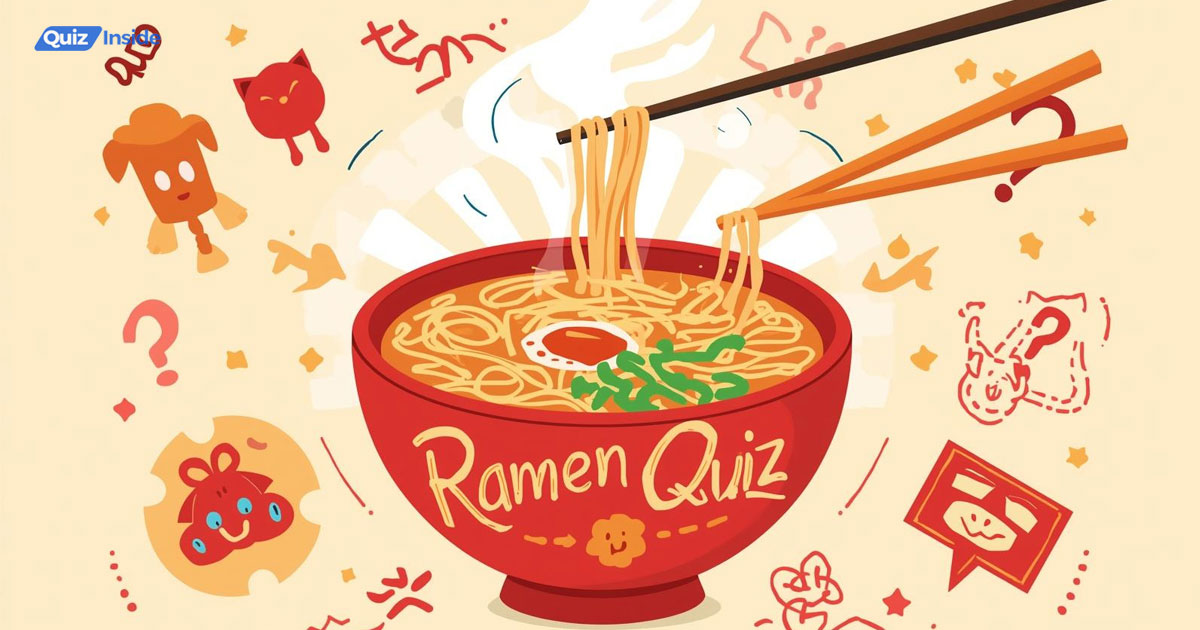
Ramen is a Japanese noodle soup made with wheat noodles served in a flavorful broth and topped with ingredients such as pork, eggs, seaweed, or vegetables.
A typical bowl of ramen includes several essential components:
-
Noodles made from wheat flour
-
Soup broth prepared with meat, seafood, or vegetables
-
Tare seasoning that defines the flavor
-
Toppings such as pork slices, eggs, or bamboo shoots
The noodles are made using kansui, an alkaline mineral water that gives ramen noodles their springy texture and yellow color.
Because of this unique ingredient, ramen noodles have a chewy texture that is different from most other noodle types.
The History of Ramen
Origins of Ramen
Ramen is strongly associated with Japan today. However, its roots actually come from Chinese wheat noodle soups. Historians believe Chinese immigrants introduced noodle dishes to Japan in the late nineteenth century, especially in Yokohama.
Food stalls in port cities started serving these noodles to workers and travelers. Over time, Japanese cooks modified the recipes and created new flavors.
As a result, ramen gradually evolved into a distinctly Japanese dish.
Growth in Popularity
By the early twentieth century, ramen had spread across Japanese cities such as Tokyo and Kobe. Small street stalls and local restaurants served ramen as an affordable and filling meal.
Workers loved ramen because it was:
-
Quick to prepare
-
Affordable
-
Warm and satisfying
These qualities helped ramen become a common comfort food in Japan.
Instant Ramen Revolution
One of the biggest turning points in ramen history occurred in 1958 when Momofuku Ando invented instant ramen.
Instant ramen allowed people to prepare noodles simply by adding hot water. This innovation transformed ramen into a global convenience food.
Today billions of servings of instant ramen are eaten every year around the world.
Main Components of Ramen
Understanding the components of ramen makes it easier to answer quiz questions later.
1. Noodles
Ramen noodles are made from wheat flour, water, salt, and kansui. The kansui creates the characteristic yellow color and chewy texture.
Noodles can vary in thickness and shape depending on the ramen style.
2. Broth
The broth is the heart of ramen. It determines the flavor and richness of the dish.
Common broth bases include:
-
Chicken broth
-
Pork bone broth
-
Seafood broth
-
Vegetable broth
Some broths are clear and light, while others are thick and creamy.
3. Seasoning (Tare)
Tare is a concentrated sauce added to the broth. It provides the main flavor profile.
Popular tare varieties include:
-
Soy sauce (shoyu)
-
Salt (shio)
-
Miso paste
Each creates a unique taste.
4. Toppings
Ramen toppings add texture and flavor. Popular toppings include:
-
Chashu pork
-
Soft-boiled eggs
-
Green onions
-
Bamboo shoots
-
Seaweed
Different regions of Japan use different toppings.
Popular Types of Ramen
Ramen is not a single recipe. Instead, it includes many styles developed in different regions of Japan.
Below is a helpful table showing some famous ramen types.
| Ramen Type | Main Flavor | Region | 특징 |
|---|---|---|---|
| Shoyu Ramen | Soy sauce broth | Tokyo | Balanced savory flavor |
| Miso Ramen | Fermented soybean paste | Hokkaido | Rich and slightly sweet |
| Shio Ramen | Salt-based broth | Hakodate | Light and clear soup |
| Tonkotsu Ramen | Pork bone broth | Fukuoka | Thick creamy texture |
| Tantanmen | Spicy sesame broth | Sichuan-inspired | Spicy and nutty |
These regional styles demonstrate the diversity of ramen cuisine.
Why Ramen Is So Popular Worldwide
Ramen has moved far beyond Japan and become a global favorite.
Several factors explain its popularity.
Simple Ingredients
Ramen uses basic ingredients such as flour, broth, and vegetables. These ingredients are easy to find worldwide.
Rich Flavor
Despite simple ingredients, ramen delivers bold and complex flavors.
Long cooking times for broth create deep taste and aroma.
Affordable Meal
Ramen has always been considered an affordable meal. Street vendors originally sold ramen to workers looking for a quick meal.
This tradition continues today.
Endless Variety
Every ramen shop can create a unique recipe by adjusting:
-
Broth ingredients
-
Noodle thickness
-
Toppings
Because of this flexibility, ramen constantly evolves.
Frequently Asked Questions About Ramen
What is ramen made of?
Ramen typically includes wheat noodles, broth, seasoning sauce, and toppings such as pork, eggs, and vegetables.
Why are ramen noodles yellow?
The yellow color comes from kansui, an alkaline mineral water used in noodle dough.
Is ramen originally Japanese?
Ramen evolved in Japan but was influenced by Chinese noodle soups brought by immigrants.
What is the most famous ramen type?
Tonkotsu ramen is one of the most famous styles because of its rich pork bone broth.
Why is instant ramen so popular?
Instant ramen is fast, affordable, and easy to prepare.
Can ramen be vegetarian?
Yes. Some ramen recipes use vegetable broth and plant-based toppings.
What does “ramen” mean?
The word is believed to come from the Chinese term “lamian,” which refers to pulled noodles.
Is ramen considered comfort food?
Yes. Many people consider ramen a warm and satisfying comfort meal.
Conclusion
Ramen has evolved from a simple noodle soup into a global food phenomenon. What began as Chinese-inspired noodles in Japanese port cities has grown into one of the most recognized dishes in the world.
The beauty of ramen lies in its variety. Every bowl tells a story through its broth, noodles, and toppings. Some are light and refreshing, while others are rich and creamy.
A ramen quiz is a great way to explore this fascinating dish while having fun with friends or readers. Whether you are a food enthusiast, a trivia lover, or someone curious about Japanese cuisine, ramen trivia offers an enjoyable challenge.
So the next time you enjoy a steaming bowl of ramen, remember that behind those noodles lies centuries of culinary history and creativity. And who knows—you might already know enough to ace a ramen quiz.